
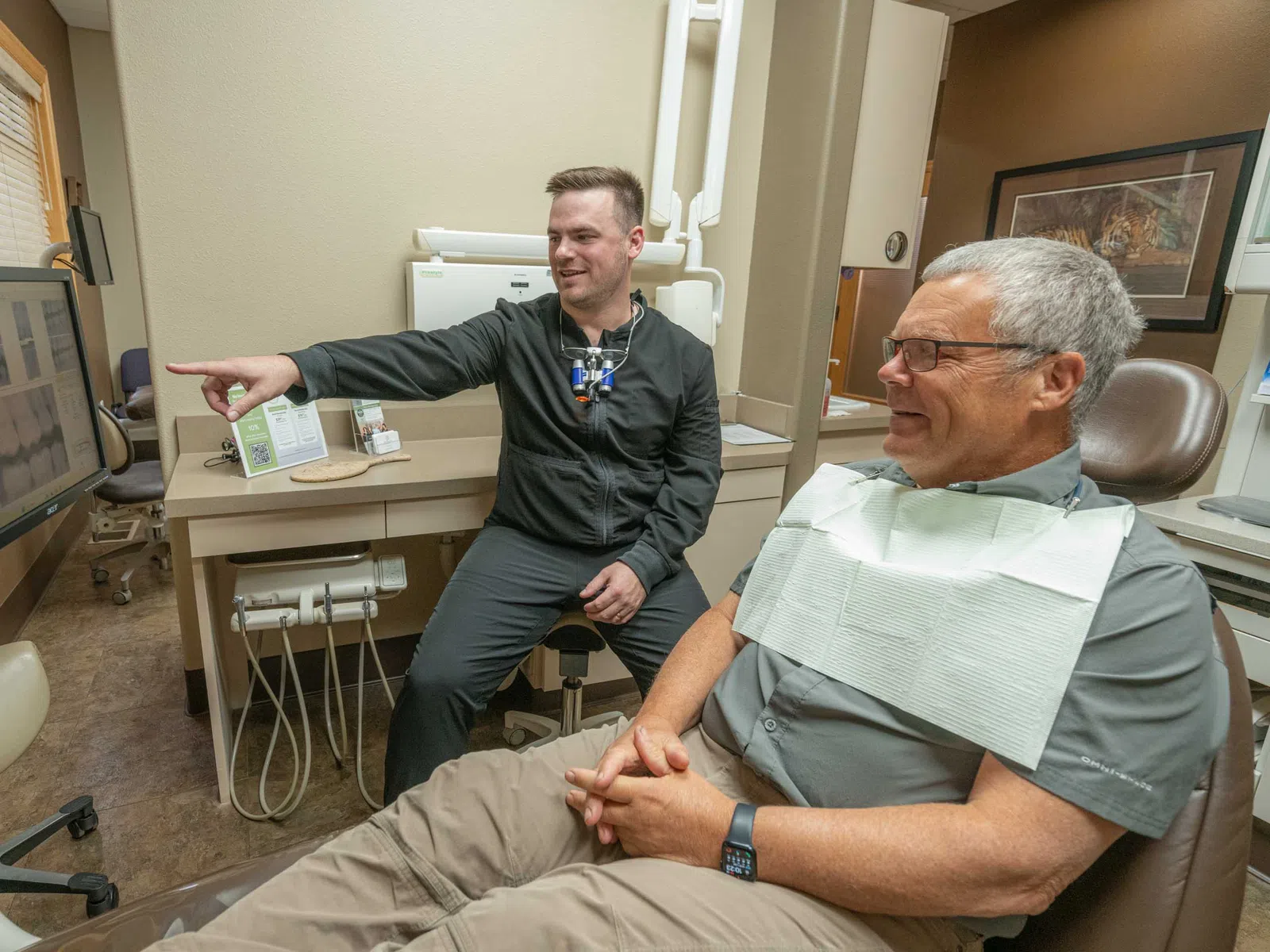
Doctor Corey Bickler Talks about Tooth Bonding
Tooth Bonding
Make Subtle Or Dramatic Changes
Repair Smile Flaws With Tooth Bonding in Salem
If a chip, small gap, stain, worn edge, or uneven tooth keeps catching your eye, you'll love what bonding can do to improve it. Dr. Bickler can often complete your bonding treatment in just one appointment. Tooth bonding in Salem gives him the flexibility to make changes to your teeth without doing major changes to your tooth structure. For the right cosmetic concern, this simple procedure provides an attractive improvement that leaves you feeling more confident.
See Why Tooth Bonding Can Be a Simple Solution
Cosmetic dentistry goals do not always require extensive treatment. Bonding allows us to make targeted changes while preserving your natural tooth structure. It's especially ideal when you have teeth that are not quite the shape or size you want.
If one small imperfection is keeping you from loving your smile, you don't necessarily need an extensive makeover. Tooth bonding in Salem can provide a conservative, personalized improvement.
Smooth Tooth Edges
A chipped or uneven edge can make an otherwise healthy tooth look damaged or uneven. The composite resin can restore your tooth and give you smoother edges.
Reshape Your Teeth
A tooth that looks too small or has an irregular shape can disrupt the balance of your smile. Bonding lets us add material to refine its proportions.
Fill Minor Gaps
We can close small spaces between certain teeth by adding composite to their edges. This can create a more continuous appearance without requiring orthodontics or veneers.
Brighten Your Teeth
Some discoloration does not respond well to professional whitening. Tooth-colored composite can cover stubborn stains and help the affected tooth blend with your smile.
Create a Flawless Bite
A minor crack or other areas of damage can leave a tooth looking fragile along the fracture line. Composite fills the area, giving your tooth a seamless look and added resilience against further wear.
Frequently Asked Questions About Tooth Bonding
Q What is tooth bonding?
Tooth bonding is a cosmetic dental treatment that uses tooth-colored composite resin, the same material used for fillings, to repair chips, cracks, stains, gaps, and other minor imperfections. The composite is applied directly to the tooth, shaped, and hardened with a UV light. Then your dentist polishes it to blend with the surrounding teeth.
Q How long does tooth bonding take?
Tooth bonding can usually be completed in a single visit. Depending on the extent of the damage and the number of teeth involved, a second appointment may occasionally be needed. A dentist can determine the expected timeline during your initial consultation.
Q Is tooth bonding painful?
No, tooth bonding is typically a painless procedure that doesn't require anesthesia in most cases. Because the treatment doesn't involve removing tooth structure, patients generally find it to be one of the more comfortable cosmetic options available.
Q What can tooth bonding fix?
Tooth bonding can correct a range of cosmetic concerns, including chips, cracks, stains, pits, small gaps, and worn or misshapen teeth. It's a versatile option for addressing minor imperfections without the need for more extensive treatment like veneers or crowns.
Q How is tooth bonding different from veneers?
Tooth bonding differs from veneers in materials and technique. Bonding uses composite resin applied directly to the tooth and shaped by the dentist, often completed in one visit. Veneers, by comparison, are custom-made shells crafted in a lab and bonded to the front of the tooth. Bonding is generally faster and more affordable, while veneers may offer more durability for larger cosmetic changes.
Q Can tooth bonding be whitened?
No, teeth whitening treatments do not affect the color of composite bonding material. Because of this, many patients choose to whiten their natural teeth before bonding. The composite can be matched to their brighter, desired shade.
Q How long does tooth bonding last?
With proper care, tooth bonding can last for several years. Avoiding habits like biting down on hard objects or using your teeth as tools can help extend the lifespan of your results and prevent the composite from chipping or wearing down prematurely.
Q Does tooth bonding require special care?
No, bonded teeth don't require any special maintenance beyond your regular oral hygiene routine. Brushing, flossing, and attending routine dental cleanings are enough to keep your bonding looking its best over time.


