
Oral Surgery
Get Relief With Surgery Procedures
Restore Your Dental Health With Oral Surgery in Salem
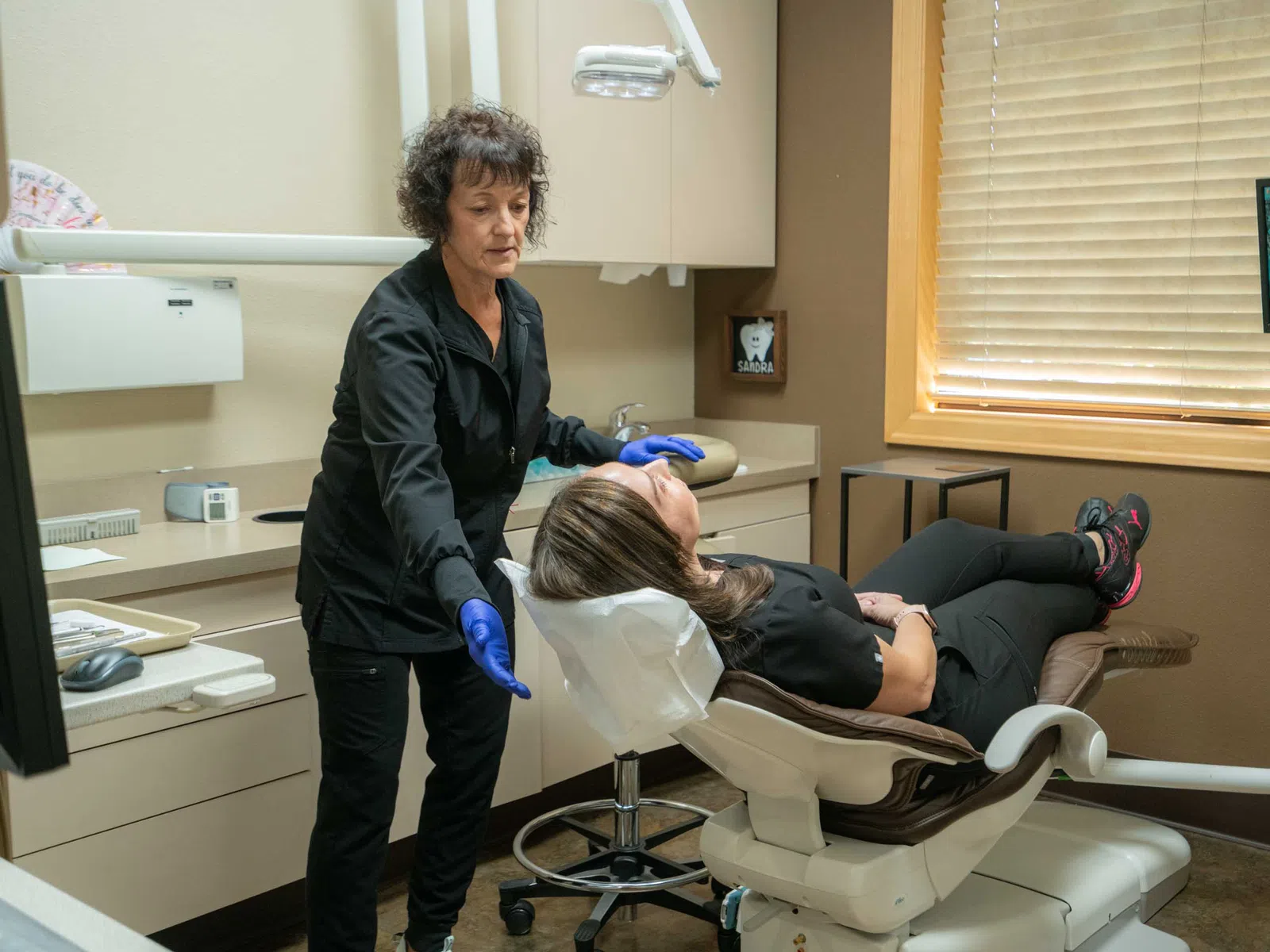
Hearing that you need dental surgery can be stressful. However, it's often necessary to restore a healthy smile. At Bickler Dentistry, you'll find many options available if you need oral surgery in Salem. Depending on your needs, you can stay with a team you already know. Our surgical procedures can relieve pain, remove a tooth that puts others at risk, or rebuild areas of your jaw in preparation for future dental implants. Feel nervous? Sedation options can make surgery easier. If you don't have insurance, join our VIP Club for savings on care.
Discover the Surgery That Prepares You for a Healthier Smile
Dr. Bickler will perform a thorough exam to determine if your smile needs a surgical procedure. He takes surgery seriously and only recommends it when absolutely necessary. We offer several oral surgery procedures. Each option helps restore your dental health and function.
If you need oral surgery in Salem, you've come to the right place. We'll help you take the next step toward a healthier smile.
Tooth Extractions
Saving a tooth is always our priority. However, severe decay, infection, or damage can put other healthy teeth at risk. Dr. Bickler can gently extract the tooth and discuss replacement options after a period of healing.
Wisdom Teeth Removal
Dr. Bickler can remove wisdom teeth based on their placement and position. Doing so can benefit your long-term oral health by helping protect you from alignment issues and the increased risk of gum disease or decay in the area.
Bone Grafting
Bone grafting adds material to areas where the jaw has lost volume. As the area heals, the graft supports new bone formation. It can create a stronger foundation for future treatment.
Ridge Augmentation
Ridge augmentation rebuilds an area where bone and tissue have changed following tooth loss. Treatment may prepare the site for dental implants or improve the shape of the jaw ridge.
Common Questions About Oral Surgery
Q What is oral surgery?
Oral surgery refers to a range of surgical procedures performed in or around the mouth, including tooth extractions, wisdom teeth removal, bone grafts, and ridge augmentation. These procedures address issues like damaged teeth, jawbone deterioration, or preparation for future restorative treatment.
Q Do I need to see a specialist for oral surgery?
You do not always need to see a specialist for oral surgery. Many general dentists are equipped to handle common oral surgery procedures, such as extractions and bone grafts, directly in their office. More complex cases may still require a referral to an oral surgeon, depending on the specific situation.
Q Is oral surgery painful?
Most oral surgery procedures are not painful at all. They are usually performed with local anesthesia, so you shouldn't feel pain during treatment. Sedation options are also commonly available for patients who want additional help staying relaxed during the procedure.
Q How long does recovery from oral surgery take?
Recovery time from oral surgery varies depending on the procedure. Many patients feel back to normal within a few days for simpler procedures. More involved surgeries, like a bone graft, may require several weeks of healing before the area is fully ready for the next stage of treatment.
Q Can I exercise after oral surgery?
It's generally recommended to avoid exercise entirely for the first 24 hours after oral surgery. Vigorous activity can interfere with healing, such as dislodging a blood clot at an extraction site. Low-impact activity is usually fine after the first day, with normal exercise resuming after a few more days.
Q Will insurance cover oral surgery?
Coverage for oral surgery can fall under either dental or medical insurance, depending on the specific procedure and its purpose. It's worth checking with your insurance provider ahead of time to understand what's covered, so you're not caught off guard by unexpected costs.
Q How much does oral surgery cost?
The cost of oral surgery depends on the specific procedure and its complexity. A consultation is the best way to get an accurate cost estimate, since factors like the number of teeth involved or the extent of a bone graft can significantly affect the total price.
Q How do I know if I need oral surgery?
Signs that you may need oral surgery include persistent tooth pain, visible damage to a tooth, jaw discomfort, or bone loss identified during an exam. Since these situations vary widely, a consultation with your dentist is the best way to determine which specific procedure, if any, is right for you.


